Things to Do in Solomon Islands in August
August weather, activities, events & insider tips
Low Season · Budget Friendly
August Weather in Solomon Islands
Long-run averages for August in Honiara
86°F (30°C)
High Temp
71°F (22°C)
Low Temp
3.6 inches (91 mm)
Rainfall
80%
Humidity
12
Sunny-Day UV
⚠ Equatorial sun intensity is extreme even on overcast days. The combination of ocean reflection and August's drier air means sunburn can develop within 30 minutes of unprotected exposure on the water. Wind cools the skin enough to mask the damage until evening. Apply sunscreen often.
⚠ Malaria is endemic across all provinces of the Solomon Islands year-round, including during the drier August season. Prophylaxis and consistent evening insect repellent are not optional precautions. Take them seriously.
⚠ Rip currents along Guadalcanal's exposed northern beaches can be strong even in August's calmer seas. Swim only at beaches where locals swim. Ask before entering unfamiliar water. Better safe than sorry.
Is August Right for You?
Weigh the advantages and considerations before booking
Advantages
- + August brings the Solomon Islands' driest weather. Honiara sees just 91 mm (3.6 inches) of rain. The southeast trade winds keep air moving and humidity at its annual low of 80 percent. In a place that regularly sits above 85 percent, this feels like relief. Visibility underwater hits its peak. The reef systems off Guadalcanal and the Western Province are as clear as they get all year.
- + Dry-season seas keep inter-island boats and small aircraft running close to schedule. The Western Province routes between Gizo, Munda, and Marovo Lagoon become reliably navigable. These same routes face cancellations or delays from November through March. Getting between islands is half the trip here. Reliable transport matters enormously.
- + August avoids major holiday surges. July 7 Independence Day crowds have dispersed. Australian and New Zealand school holidays are winding down. Lodges and guesthouses across the outer islands show their best availability. You will compete with few other visitors. Dive sites and villages feel nearly private.
- + Southeast trades blow steadily through August. Temperatures rarely climb past 30°C (86°F). Mosquito numbers drop noticeably from wet-month levels. Guadalcanal's north coast evenings cool to around 22°C (71°F). The breeze dries your skin. After months of equatorial humidity, this feels borderline luxurious.
Considerations
- − Getting here demands patience and planning. International flights route through Brisbane, Nadi, or Port Moresby. Overnight layovers are common. Domestic connections on Solomon Airlines use small prop aircraft with limited frequency. August schedules beat wet-season reliability. Still, one weather delay can cascade through a tight itinerary.
- − Infrastructure outside Honiara is minimal. Most outer-island lodges run on generators. Hot water is rare. Internet ranges from slow to absent once you leave Guadalcanal. Need consistent connectivity? The Solomon Islands will test you. Creature comforts are scarce regardless of month.
- − August's dry conditions and lower humidity raise sunburn risk. The equatorial sun punishes even on overcast mornings. Wind and water reflection off lagoons burn skin before heat registers. Reef-safe sunscreen is hard to find locally. Bring everything you need.
Best Activities in August
Top things to do during your visit
Guadalcanal Battlefield and Wreck Exploration
August offers the best month for walking Guadalcanal battlefields. Dry ground and clear skies help. The jungle canopy thins enough to light rusted landing craft and gun emplacements across ridgelines south of Honiara. The air carries damp leaf litter and laterite clay. The quiet strikes hardest. Stand on Bloody Ridge with only birdsong and wind through casuarina trees. September 1942 happened on that slope. Coastal sites at Red Beach and Alligator Creek stay walkable without wet-season mud. WWII relics at Vilu War Museum sit under corrugated roofing where August trade winds moderate heat. A full battlefield circuit takes most of a day. Local guides know overgrown tracks to gun positions organized tours miss.
Booking Tip: Book battlefield tours two weeks ahead. Few licensed operators work in Honiara. Cruise ship passengers fill schedules when vessels call. Seek guides with genuine historical knowledge. Avoid scripted commentary. See current tour options in the booking section below.
Iron Bottom Sound Wreck Diving
The strait between Guadalcanal and Savo Island holds dozens of sunken warships, aircraft, and transports from 1942-43 naval battles. August brings calm seas and peak underwater visibility, often exceeding 30 metres (100 feet). This is the premier diving month. Bonegi I and Bonegi II transports sit in shallow water west of Honiara. Snorkelers can reach the upper decks. Soft corals colonize railings. Schools of fusiliers move through cargo holds in silver clouds. Deeper sites need proper certification and a boat. Descending onto a warship's bridge at 25 metres (82 feet) with tropical fish threading through the helm is unmatched in recreational diving. August water temperature holds around 28°C (82°F). A rashguard or thin wetsuit suffices.
Booking Tip: Few dive operators work in Honiara. Confirm availability and equipment condition before booking. Bring your own regulator and mask if fit matters to you. Certification cards are checked seriously here. See current diving options in the booking section below.
Marovo Lagoon Kayaking and Reef Snorkeling
Marovo Lagoon in the Western Province is the largest saltwater lagoon in the world, a double-barrier reef system stretching roughly 150 km (93 miles) that UNESCO has had on its tentative list for years. August's flat water and steady trade winds make paddling conditions close to ideal. The lagoon surface in the early morning is so still it reflects the volcanic peaks of Vangunu and Nggatokae like green glass. Slip a mask below the waterline and the coral gardens start immediately: staghorn thickets in pale blue, plate corals wider than a dining table, clownfish territorial enough to bump your lens. The snorkeling requires no boat in many spots since the reef edge sits within wading distance of village shorelines. The best drop-offs are a short paddle out. Villages along the lagoon's edge are Seventh-day Adventist communities where Saturday is observed strictly. Hospitality the rest of the week is quietly generous.
Booking Tip: Arrange lagoon stays through eco-lodges or village guesthouses at least three to four weeks in advance. Bed counts are tiny. August draws the few visitors who know this place. Domestic flights from Honiara to Seghe airstrip serve the lagoon area but seats fill fast. Reference the booking section below for guided lagoon tours.
Honiara Central Market and Melanesian Food Culture
Honiara's Central Market is the social and sensory center of the capital, a large open-air space where women from Guadalcanal, Malaita, and the Western Province spread taro, sweet potato, cassava, and betel nut across woven pandanus mats. The smell is earth and green leaf and the sharp lime-and-mustard bite of betel, which stains teeth and lips red and remains the country's most universal social ritual. August mornings are the best time to go. The midday heat flattens the energy. The fish section, where skipjack tuna and reef fish arrive still glistening from the morning catch, is worth an early start on its own. Eating in the Solomon Islands means root vegetables cooked in coconut cream, smoked fish wrapped in banana leaf, and if you are lucky enough to be invited to a village feast, the underground oven called a motu where pork and taro slow-cook over hot stones until the meat falls apart and the coconut cream caramelizes into something smoky and impossibly rich.
Booking Tip: Half-day Honiara city tours typically include the Central Market and can be arranged through local operators with a few days notice. Going independently is straightforward since the market sits in the middle of town. A knowledgeable guide turns a walk-through into a proper education. Check current city tour options in the booking section below.
Customary Village Stays in the Western Province
The villages around Gizo and Munda in the Western Province offer a kind of cultural immersion that has largely vanished from more-visited parts of the Pacific. August's dry weather makes village life more comfortable for visitors who are not accustomed to sleeping in leaf houses, since the woven sago-palm walls breathe well in the trade winds and the thatched roofs stay dry. You will likely sleep on a woven mat, eat what the village eats, and wake to the sound of roosters and children splashing in the shallows at dawn. The woodcarving traditions of the Western Province, the nguzunguzu canoe-prow figures with their inlaid nautilus shell, are among the finest in Melanesia. Watching a carver work a piece of kerosene wood with hand tools in the shade of a banyan tree is the kind of quiet, specific experience that stays with you longer than any reef dive. Expect no electricity. Expect no schedule. The pace of life makes you aware of how fast yours normally runs.
Booking Tip: Village stays require a local contact or arrangement through a Gizo-based guesthouse or tour coordinator. Do not arrive unannounced. Bring small gifts, school supplies or fishing line, as tokens of respect. Domestic flights from Honiara to Gizo run several times weekly but book far ahead in August.
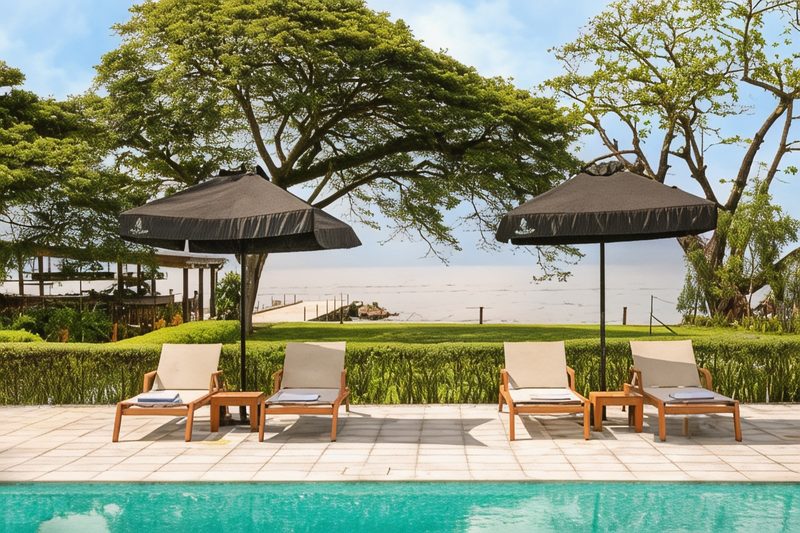
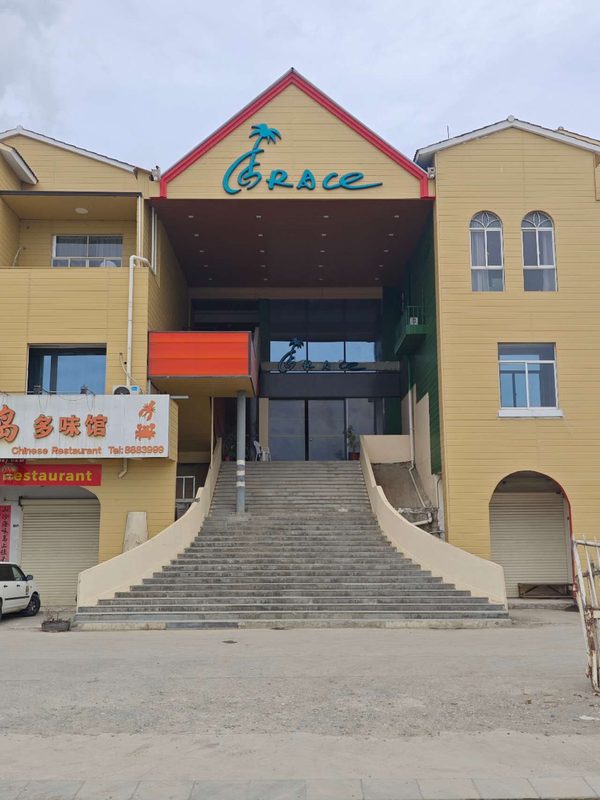
Where to Stay in Solomon Islands in August
Hand-picked hotels across price tiers for August travellers.
Packing Checklist
Bookmark this page — your progress is saved between visits
Need the full list with shopping links?
Climate-specific gear, brand recommendations, and what to leave at home.
View Solomon Islands Packing List →Essential Tips
Insider knowledge and common pitfalls to avoid
Insider Knowledge
Betel nut is the social currency of the Solomon Islands. Declining it when offered in a village setting can land awkwardly. You do not have to chew it. Accept the offer, hold it, and explain that your stomach is not accustomed to it. This goes over far better than a flat refusal. The combination of betel nut, lime powder, and mustard stick produces a mild stimulant effect and a mouth full of red saliva that you spit, not swallow. The taste is astringent and chalky. Most visitors try it once.
Solomon Airlines domestic flights are the lifeline between provinces. They operate on island time in every sense. Confirm your booking the day before by phone if possible. Arrive at the airstrip early. Carry enough flexibility in your itinerary to absorb a one-day delay without panic. Overbooking happens. The passenger who shows up last sometimes does not fly. Baggage limits on the Twin Otters are strictly enforced at 16 kg (35 lbs) because the aircraft weight matters on short jungle strips.
The Solomon Islands Dollar is the only practical currency outside Honiara. Even in the capital, card acceptance is limited to a handful of hotels and the larger shops on Mendana Avenue. Bring Australian or US dollars in clean, undamaged notes. Exchange at the banks in Honiara before heading to the provinces. ATMs exist in Honiara but occasionally run dry. In the outer islands cash is the only option.
Kastom, the Melanesian system of customary law and land ownership, governs nearly everything outside Honiara. This includes where you can go, what you can photograph, and which reefs you can dive. Every piece of reef, forest, and shoreline belongs to a specific clan. Entering without permission is a genuine transgression, not a formality. Your guide or host will handle introductions. If traveling independently, always ask at the nearest village before walking onto a beach or entering water that might be under kastom management.
Avoid These Mistakes
Avoid trying to see too many provinces in one trip. The Solomon Islands covers a vast ocean area, roughly 1,600 km (1,000 miles) from end to end. Domestic flights between island groups run only a few times per week. Travelers who book Honiara, Gizo, and Marovo Lagoon into a ten-day trip spend most of it waiting at airstrips. They arrive everywhere too rushed to absorb anything. Pick one or two areas and go deep.
Do not assume the Solomon Islands operates on a Western travel schedule. Shops close early. Sunday is observed as a day of rest in most communities. Seventh-day Adventist villages in the Western Province observe Saturday instead. Arriving on the wrong day and expecting services, transport, or village hospitality will leave you stranded and frustrated. Build rest days into your plan. Treat the pace as part of the experience rather than an obstacle.
Do not neglect malaria precautions because August feels dry and breezy. The lower mosquito density in the dry season creates a false sense of security. Malaria transmission continues year-round across all provinces. Travelers who skip prophylaxis or stop applying repellent in the evenings because the wind feels protective are taking a risk. The local health system is poorly equipped to manage complications if things go wrong.
Ready to plan your trip to Solomon Islands?
Now that you've got the research covered, here's where to go next.
Explore More Activities in Solomon Islands
Didn't see anything interesting yet?
Browse Viator's full catalog of tours, day trips, food experiences, and private guides in Solomon Islands.
See All Solomon Islands Tours on Viator