Things to Do in Solomon Islands in December
December weather, activities, events & insider tips
Low Season · Budget Friendly
December Weather in Solomon Islands
Long-run averages for December in Honiara
86°F (30°C)
High Temp
73°F (23°C)
Low Temp
8.5 inches (216 mm)
Rainfall
82%
Humidity
14
Sunny-Day UV
⚠ December falls within the South Pacific cyclone season, which runs November through April. The Solomon Islands are struck less frequently than Fiji or Vanuatu, but a cyclone tracking through the region shuts down all inter-island transport, grounds domestic flights, and can leave outer-island visitors stranded for several days. Monitor weather forecasts actively. Maintain a plan to reach Honiara at short notice.
⚠ December brings heavy rain to Honiara. Flash flooding hits hardest around the Mataniko River and low-lying zones east of the centre. Unpaved roads across Guadalcanal turn to impassable mud after sustained downpours. Landslides occasionally block the coastal road west of Honiara toward Bonegi Beach. Never cross swollen rivers on foot or by vehicle. Just wait it out.
⚠ Rough seas between December squalls make open-water crossings dangerous in small craft. Operators running between Honiara and the Florida Islands, or between Gizo and outer reefs in the Western Province, cancel runs when conditions deteriorate. Respect these cancellations. The alternative is a small aluminium boat in three-metre (ten-foot) swells with no coastguard service within reach. Not worth it.
Is December Right for You?
Weigh the advantages and considerations before booking
Advantages
- + Christmas in the Solomon Islands is the single most significant cultural event of the year. Ninety-seven percent of the country is Christian, and communities spend weeks preparing: church choirs rehearse on warm evenings under corrugated-iron roofs, villages pool resources for communal feasts cooked over open fires of coconut husk and mangrove wood, and custom dancing breaks out not for tourists but for genuine celebration. If you want to see the Solomon Islands at their most emotionally open, December is the month.
- + Honiara's Central Market peaks in December. The wet season drives an increase of tropical fruit into the stalls: mangoes so ripe the juice runs past your wrist, pawpaw split open to show sunset-orange flesh, and bundles of slippery cabbage stacked alongside heaps of taro and sweet potato. The cooking section fills the covered hall with woodsmoke and the sharp scent of reef fish grilled over coconut-shell charcoal. The market has been the social and commercial heart of Honiara for decades, and December is when it operates at full intensity.
- + Tourist numbers in the Solomon Islands are low year-round, roughly 25,000 to 30,000 visitors annually across the entire country, and December's wet season thins that already small crowd further. Dive sites, WWII battlefields, and lagoon anchorages that might see a handful of visitors in July are likely yours alone. The Western Province islands around Gizo and Marovo Lagoon feel empty, which is either the draw or the challenge depending on your disposition.
- + Water temperatures in December sit around 28 to 29 degrees Celsius (82 to 84 degrees Fahrenheit), warm enough for extended dives without a wetsuit and comfortable for hours of reef snorkeling. The warm water also brings pelagic species closer to the reefs, and the nutrient runoff from December rains feeds plankton blooms that attract manta rays to cleaning stations around the Florida Islands and Russell Islands.
Considerations
- − December sits firmly inside cyclone season, which runs from November through April in the South Pacific. The Solomon Islands catch fewer cyclones than Fiji or Vanuatu. But when one tracks through, it shuts everything down: inter-island flights cancel, boat services stop, and outer-island communities can be cut off for days. There is no way to plan around this risk. You accept it or visit in the dry months.
- − Honiara's average of 8.5 inches (216 mm) of rain in December means regular heavy downpours, often in the afternoon, that turn unpaved roads to mud, swell rivers, and reduce underwater visibility to 15 to 20 metres (49 to 66 feet) compared to the dry season's 30 metres (98 feet) or more. Inter-island boat operators cancel runs in rough weather, and if you are on a small island when the sea picks up, you stay until it calms. Tight itineraries break in December.
- − Medical infrastructure is minimal across the entire country, and December's heat and humidity amplify health risks. Malaria is endemic on every island. The National Referral Hospital in Honiara is the only facility with anything resembling emergency capacity, and reaching it from the outer islands can take a full day by boat. December's weather makes that transfer less predictable. This is not a destination for travelers uncomfortable with genuine remoteness from medical care.
Best Activities in December
Top things to do during your visit
Guadalcanal WWII Battlefield Exploration
Guadalcanal's battlefields carry a weight that no photograph prepares you for. The ridge at Edson's Ridge, where the jungle has grown back over foxholes you can still trace with your feet, goes quiet in a way that makes the hair stand up on your arms even in 30-degree Celsius (86-degree Fahrenheit) heat. Bonegi Beach has a Japanese transport ship half-submerged in the shallows close enough to wade to at low tide, its rusted hull crusted with barnacles and soft coral, fish threading through the ribs. The open-air collection at Vilu War Museum sits under a canopy of tropical trees: Japanese field guns, an American Wildcat fighter, torpedo casings taller than you, all slowly being absorbed by the forest. December's rains make the trails at Bloody Ridge and Red Beach slippery and muddy, so go early, before 8 AM, when the ground is firmest and the humidity has not yet peaked. The heat builds fast after mid-morning. That said, December means you are likely the only visitor at sites that see a trickle even in peak season, and the green density of wet-season jungle around the memorials adds a claustrophobic intensity that the dry months lack. Start at the Honiara war memorial on Skyline Ridge for the view over Iron Bottom Sound, named for the dozens of warships resting on its floor, then work eastward.
Booking Tip: Book through a licensed local operator with battlefield expertise at least two weeks ahead. December is quiet. But the handful of knowledgeable guides fill up around Christmas when diaspora Solomon Islanders bring family to the sites. Full-day tours covering Bloody Ridge, Bonegi Beach, Vilu War Museum, and Henderson Field typically run six to seven hours. Check current guided options in the booking section below.
Wreck Diving and Reef Snorkeling
Iron Bottom Sound earned its name during six months of naval combat in 1942 and 1943. The seabed between Guadalcanal, Tulagi, and Savo Island holds more accessible WWII wrecks than anywhere else in the Pacific. The Bonegi I and Bonegi II transport ships lie in 3 to 26 metres (10 to 85 feet) of water just off Bonegi Beach. Reach them as a shore dive. Strong snorkelers can manage on calm days. Tulagi harbour has patrol boats and a destroyer sitting upright on sand, their gun turrets still pointed at the surface. December's water temperature hovers around 29 degrees Celsius (84 degrees Fahrenheit). Warm enough for rash guards and board shorts. Visibility drops to 15 to 20 metres (49 to 66 feet) versus 30-plus metres (98-plus feet) in the dry season. The trade-off is real. December's nutrient-rich runoff feeds plankton blooms that pull in manta rays and schools of barracuda. Clear dry-season water cannot match this. The coral reefs beyond the wrecks are largely untouched. Marine biologists fly across the world to study these systems. Hard and soft coral in colours that look artificial until you touch them. Dive mornings when the sea is calmest. Afternoon squalls chop the surface and make boat entries less comfortable.
Booking Tip: The Solomon Islands have a small number of dive operators. Almost all are based in Honiara or Gizo. December bookings need confirmation at least two to three weeks in advance. Verify that operators carry properly maintained equipment. Check for emergency oxygen onboard. The nearest recompression chamber is in Australia. Shore dives at Bonegi Beach need no boat. A guide helps. Current patterns shift. See the booking section below for available dive and snorkel tours.
Cultural Village Immersions
The cultural villages outside Honiara offer something that December specifically amplifies. Communities prepare for the biggest celebration of their year. At village visits in December, you will likely walk into choir rehearsals. Women weave palm-leaf decorations for church services. You will smell root vegetables slow-roasting in earth ovens being tested before the Christmas feast. The panpipe ensembles of Malaita and Guadalcanal produce a sound unlike any other Pacific Island tradition. Overlapping bamboo tones seem to come from inside the forest itself. December performances carry a festive energy that routine tourist demonstrations lack. Custom dancing in shell-money adornments happens. Dolphin-teeth necklaces clatter against bare chests. Feet stamp on packed earth. The community wants to dance. Not because a tour bus arrived. The heat is intense by midday. Morning visits work best. The village is active. Cooking fires are lit. Light through the leaf-house walls is soft enough to see by without squinting.
Booking Tip: Village visits require prior arrangement through a local guide or operator. Book at least ten days ahead. Custom protocol matters. Bring a small gift for the chief. Ask before photographing anyone. Dress modestly with shoulders and knees covered. Around Christmas week, some villages close to outsiders for private celebrations. Confirm availability for dates in the final week of December. See current cultural tour options in the booking section below.
Honiara Central Market and City Walking
Honiara's Central Market is the closest thing the Solomon Islands has to a town square. A covered concrete hall where women from across Guadalcanal sell produce, cooked food, betel nut, and hand-rolled tobacco. Woodsmoke and conversation fill the air. The betel nut section is unmistakable. Piles of green areca nuts beside pepper leaves and slaked lime. The combination stains the mouths of half the adults in the country a vivid red. The smell is dense and layered. Charcoal smoke from the grill stalls mixes with overripe bananas and fresh reef fish laid out on banana leaves. December brings the market to its fullest. Wet-season harvests pile the tables high. Families stock up for Christmas cooking. Walk the aisles slowly. Cooked-food vendors sell kokoda. Raw reef fish cured in lime juice and coconut cream with a chilli kick that builds at the back of the throat. Cassava pudding wrapped in banana leaf is dense, starchy, and faintly sweet. Beyond the market, Honiara itself is a small capital stretched along the coast road. Point Cruz. Chinatown's corrugated-tin shopfronts. The National Museum with its shell-money displays and war artefacts. The parliament building overlooking the harbour. None of it is polished. That is the point. This is a Pacific capital that feels like a large village. You can walk the entire centre in an hour and stop at every turn.
Booking Tip: The market opens early and winds down by early afternoon. Arrive before 9 AM for the best selection and the most activity. No booking needed. Half-day guided city walks combine the market, Chinatown, and the National Museum. Local operators run these. Worth the cost. A knowledgeable guide provides context. The market closes on Christmas Day. Reduced hours may apply on Boxing Day. Plan accordingly. See guided city tours in the booking section below.
Marovo Lagoon Island and Reef Exploration
Marovo Lagoon in the Western Province is the largest saltwater lagoon in the world enclosed by a double barrier reef, and reaching it in December is both the challenge and the reward. The lagoon itself is more sheltered than open ocean, so even when December seas run rough outside the reef, the interior stays navigable by small boat. The water inside is warm and impossibly clear in the shallower sections, turquoise over white sand shifting to deep blue over coral drop-offs where the lagoon floor falls away. The villages along the lagoon's islands are home to the Marovo people, whose ebony woodcarvings, inlaid with nautilus shell in geometric patterns, are considered the finest in Melanesia. December means carvers are working on Christmas pieces, and visiting a workshop is as much about the smell of freshly cut kerosene wood and the scraping sound of hand tools as it is about the finished product. Snorkeling inside the lagoon in December delivers coral gardens dense enough to block out the sand below, reef fish in absurd concentrations, and the occasional reef shark patrolling the edges. The downside: getting to Marovo from Honiara requires a domestic flight to Seghe or Munda, and December weather delays or cancels these flights regularly. Build at least two buffer days into any Marovo itinerary.
Booking Tip: Domestic flights to Seghe or Munda should be booked as far in advance as possible, ideally four to six weeks out, as schedules are limited and December cancellations compress demand onto remaining flights. Lagoon-based lodges and guesthouses arrange boat transfers and snorkeling excursions. But confirm all arrangements directly and expect flexibility on timing. Travel insurance that covers trip interruption and medical evacuation is not optional for the outer islands. Check the booking section below for available lagoon tours.
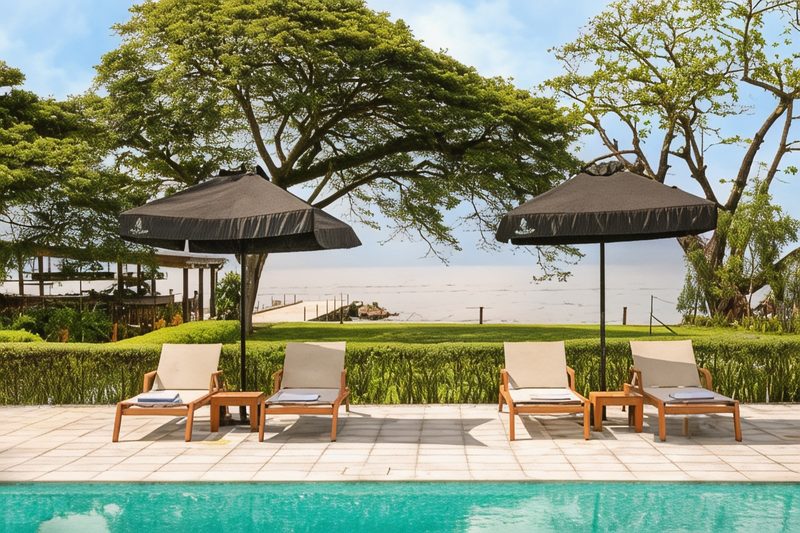
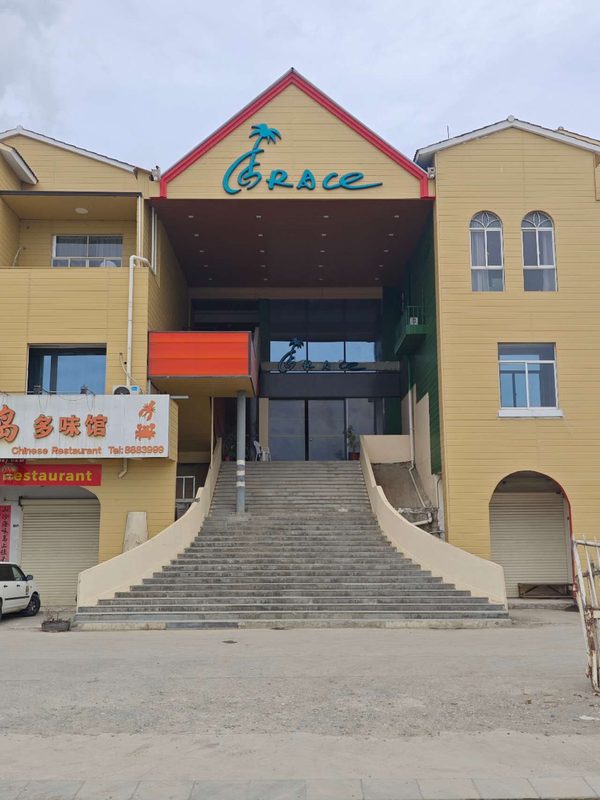
Where to Stay in Solomon Islands in December
Hand-picked hotels across price tiers for December travellers.
Public Holidays in December
Dates that affect opening hours, transport and crowds
Christmas Day
Observed nationwide as a public holiday.
National Day of Thanksgiving
Observed nationwide as a public holiday.
Christmas Day
Observed nationwide as a public holiday.
National Day of Thanksgiving
Observed nationwide as a public holiday.
Christmas Day
Observed nationwide as a public holiday.
National Day of Thanksgiving
Observed nationwide as a public holiday.
Packing Checklist
Bookmark this page — your progress is saved between visits
Need the full list with shopping links?
Climate-specific gear, brand recommendations, and what to leave at home.
View Solomon Islands Packing List →Essential Tips
Insider knowledge and common pitfalls to avoid
Insider Knowledge
Almost all land and reef outside Honiara is customary-owned by clans under traditional tenure. Walking on a beach, snorkeling a reef, or entering a village without permission is a genuine transgression, not a cultural nicety. Ask your guide or lodge operator to arrange access. Expect to present a small gift, typically store-bought food or tobacco, to the landholding chief. This protocol is called kastom. Ignoring it can close doors across an entire island community faster than you would believe.
Betel nut is the social currency of the Solomon Islands. You will be offered a green areca nut with a pepper leaf and a dab of slaked lime within your first day. Declining politely is fine. Accepting even once, chewing until the mild buzz hits and your saliva turns red, earns a warmth from locals that no amount of polite conversation achieves. The taste is bitter and astringent. The lime burns slightly. The effect is a gentle alertness similar to strong coffee. Spit discreetly. The red stains are permanent on clothing.
Solomon Time is not a joke or an exaggeration. Domestic flights listed for 10 AM might leave at noon or not at all. Boat transfers happen when the skipper arrives and the sea looks right. Fighting this rhythm ruins the trip. Accepting it reveals a pace of life that makes the remoteness feel intentional rather than inconvenient. Build a full buffer day before any international connection out of Honiara. Build two buffer days if returning from the outer islands in December.
The kokoda at Honiara's Central Market is the single best introduction to Solomon Islands food. The version sold from the market stalls, made that morning with whatever reef fish came off the boats at Point Cruz, is better than anything a restaurant charges three times as much for. The lime cure firms the raw fish to a texture between sashimi and ceviche. The coconut cream rounds the acid. The chilli builds slowly enough that you are three bites in before the heat registers. Eat it with a ball of cooked rice from the next stall. Go before 10 AM. The fish is freshest then, and the market is at its loudest and most alive.
Avoid These Mistakes
Never book a tight itinerary with same-day inter-island connections. December weather cancels domestic flights and boat transfers regularly. There is no rebooking infrastructure, no airline app, no alternative routing. Travelers who scheduled Marovo Lagoon with one day of margin before an international departure out of Honiara have spent unplanned nights sleeping in Munda's transit shelter. Allow at least two full buffer days before any fixed onward flight.
Do not skip malaria prophylaxis because the Solomon Islands seem like a modern enough country or because someone online said the risk is overstated. Malaria is endemic on every island, including Guadalcanal. The Plasmodium falciparum strain present here is the dangerous one. The National Referral Hospital in Honiara treats malaria cases every single week. Take the medication your travel doctor prescribes. Sleep under treated nets. Apply repellent religiously after sunset.
Never arrive with only a credit card and a plan to use ATMs. The two ATMs in central Honiara run out of cash unpredictably. The entire economy outside the capital operates on physical currency. Guesthouses, boat operators, market vendors, and village guides on the outer islands do not accept cards, mobile payments, or good intentions. Exchange enough cash in Honiara to cover your full trip including contingency days. Carry it in a waterproof pouch because it will get wet.
Ready to plan your trip to Solomon Islands?
Now that you've got the research covered, here's where to go next.
Explore More Activities in Solomon Islands
Didn't see anything interesting yet?
Browse Viator's full catalog of tours, day trips, food experiences, and private guides in Solomon Islands.
See All Solomon Islands Tours on Viator