Things to Do in Solomon Islands in January
January weather, activities, events & insider tips
Low Season · Budget Friendly
January Weather in Solomon Islands
Long-run averages for January in Honiara
87°F (30°C)
High Temp
73°F (23°C)
Low Temp
10.9 inches (277 mm)
Rainfall
87%
Humidity
15
Sunny-Day UV
⚠ January falls within the South Pacific cyclone season (November through April), tropical cyclones can form with relatively short warning and bring destructive winds, torrential rain, flooding, and complete disruption to inter-island transport for days. Monitor the Solomon Islands Meteorological Service forecasts daily and have a plan for sheltering in place if a system develops.
⚠ Malaria transmission peaks during the wet season due to increased mosquito breeding in standing water, prophylaxis, DEET-based repellent, and sleeping under a treated net are essential, not optional, and symptoms can appear weeks after departure.
⚠ Flash flooding on Guadalcanal's rivers and coastal roads occurs during sustained heavy rainfall, avoid river crossings during or immediately after downpours, and do not camp or hike near waterways during active storms. The Mataniko River through Honiara has flooded residential areas in past January storms.
Is January Right for You?
Weigh the advantages and considerations before booking
Advantages
- + Low season means you'll likely have the reefs, lagoons, and WWII wreck sites to yourself, the handful of divers who do show up in January get near-private access to sites that see small queues even in the dry months, and guesthouse owners on the outer islands have time to sit down and talk with you over a meal of freshly grilled reef fish and slippery cabbage cooked in coconut cream
- + Water visibility in the sheltered lagoons around Munda and the Florida Islands tends to hold at 20 to 30 metres (65 to 100 feet) even during the wet season, because the big swells hit the exposed southern coasts while the northern passages stay calm, January diving here, when conditions cooperate, rivals anything in the Coral Triangle
- + The landscape is at its most intensely green, which sounds like a brochure line until you see it: the jungle canopy covering the ridgelines behind Honiara glows an almost electric emerald after a morning downpour, the air smells like wet volcanic soil and frangipani, and the rivers running off Guadalcanal's interior mountains flush clear within hours of a storm rather than staying silted
- + Accommodation rates and domestic flight fares on Solomon Airlines drop noticeably from the June through September peak, and you're more likely to negotiate better terms on boat charters to the outer provinces simply because operators have fewer bookings to juggle
Considerations
- − January sits squarely inside the South Pacific cyclone belt's active window, which runs roughly November through April, while a direct hit on Honiara is uncommon in any given year, tropical depressions and their associated multi-day downpours can strand you on an outer island for days if inter-island flights and boat services cancel, and there's no reliable way to predict this more than a week out
- − The humidity at 87 percent is relentless in a way that air conditioning only partially fixes, because most accommodation outside Honiara runs on generators that cycle off during the day, you'll feel the damp in your clothes, your camera lens fogs the moment you step outside, and any cut or insect bite takes twice as long to heal in that moisture
- − Rainfall averaging 277 mm (10.9 inches) across the month means that while mornings often start bright and glassy, afternoon storms can be fierce, not the polite 20-minute showers of Southeast Asia but heavy, wind-driven walls of rain that turn unpaved roads in Honiara's eastern suburbs into ankle-deep mud and make the exposed boat crossing from Honiara to Tulagi uncomfortable at best
Best Activities in January
Top things to do during your visit
Guadalcanal WWII Battlefield and Wreck Site Tours
January's overcast skies and cooler mornings (the temperature tends to sit closer to 25°C or 77°F before 9 AM) make the open-air battlefield walks far more bearable than they are under the dry season's unbroken glare. The ridgeline above Henderson Field, where the fighting for the airstrip played out in 1942, is a steep 2 km (1.2 mile) climb through waist-high kunai grass that smells sweet and papery when wet, and January's rain keeps it from turning into the dry-season fire hazard that occasionally closes the trail. Iron Bottom Sound, the strait between Guadalcanal and Savo Island where dozens of warships went down, is visible from the memorial on Skyline Ridge, and on a clear post-storm morning the water below shifts from slate grey to a deep, almost black blue. The outdoor memorials at Red Beach and Bloody Ridge are uncrowded enough in January that you can stand there alone, which changes the experience entirely. Book through a licensed operator who knows the military history, the difference between a guide who can point to a rusted gun emplacement and one who can walk you through the tactical timeline is the difference between a walk and something that stays with you.
Booking Tip: Book at least a week ahead through operators who specialize in WWII history tours. The half-day format covers the key Honiara-area sites. Full-day options extend to the ridgelines and coast. Check current tour availability in the booking section below.
Sheltered Lagoon Snorkeling and Reef Exploration
The reef systems inside the protected lagoons of the Western Province hold up remarkably well through January because the lagoon mouths face north, shielded from the worst of the southerly swells that the wet season brings. The coral gardens around Njari Island near Munda sit in water shallow enough, 2 to 5 metres (6 to 16 feet), that you don't need scuba certification to see giant clams the size of bathtubs, their mantles a rippling iridescent blue-green that looks like someone lit them from inside. Water temperature hovers around 29°C (84°F), warm enough that you don't need a wetsuit but cool enough at depth that the corals aren't bleaching. The catch: boat operators will cancel if a tropical low is tracking nearby, and the chop in open water between islands can be rough even when the lagoons are flat. Plan for flexibility. If you're snorkeling off Honiara itself, Bonegi Beach has two accessible Japanese transport ship wrecks sitting in shallow water, the hull plates are crusted with soft corals and you'll see parrotfish, reef sharks, and occasionally a turtle cruising the debris field. Morning trips before 10 AM give you the flattest water and the best light penetration.
Booking Tip: For Western Province lagoon trips, arrange through your accommodation in Munda or Gizo at least two weeks ahead, as boat availability is limited in low season. For Honiara-area reef snorkeling, shorter lead times work. See current snorkeling options in the booking section below.
Kastom Village Cultural Visits
The villages around Honiara and in the outer provinces that welcome visitors operate year-round, but January's lower tourist numbers mean you're more likely to get an unhurried, genuine experience rather than a polished performance timed to a cruise ship schedule, because no cruise ships call in January. At cultural villages on Guadalcanal's Weather Coast and around Honiara's outskirts, you'll see traditional leaf-house construction, watch women weave pandanus mats with a speed that makes it look effortless, and hear the pan-pipe ensembles that are unique to these islands, the sound is breathy and layered, nothing like a Western flute, and it carries strangely well across the humid air. You'll likely be offered a meal of root vegetables baked in an earth oven called a motu: taro wrapped in banana leaves and buried over hot stones, emerging hours later with a smoky, faintly sweet flavor and a dense, almost glutinous texture. The etiquette matters: accept betel nut if offered (even if you just hold it), remove shoes before entering a leaf house, and ask before photographing. January's rain can make the roads to more remote villages difficult, so stick to accessible sites unless you have a capable four-wheel-drive vehicle and a local who knows the road conditions.
Booking Tip: Cultural village visits generally need to be arranged through a local guide or tour operator, not walked up to unannounced. Book a few days ahead and confirm the morning of, since rain can change plans. See available cultural tours in the booking section below.
Honiara Central Market and Food Circuit
Honiara's Central Market is the gravitational centre of daily life on Guadalcanal, and at 6 AM on any January morning it's already loud, hot, and thick with the smell of smoked fish, ripe pawpaw, and the sharp green scent of freshly split coconuts. The market women, and they are almost exclusively women, which is culturally significant in Melanesian trade networks, sit behind enormous piles of betel nut (the chewing stimulant that stains teeth and lips red across the Pacific), root crops you won't recognise, and reef fish laid out on palm fronds still glistening. The cooked-food section is where breakfast happens: plates of rice with tinned tuna and slippery cabbage in coconut cream, or fried fish with cassava pudding that has a dense, slightly sticky sweetness. January's heat means the market thins out by 11 AM, so go early. The walk from the market east along Mendana Avenue takes you past the few established restaurants in town, most of which serve a Melanesian-Chinese fusion that reflects the country's trading history, whole steamed reef fish with ginger and soy, fried rice with island greens. The flavours are simpler and less spiced than Southeast Asian cooking, leaning on coconut fat, salt, smoke, and lime rather than chilli heat.
Booking Tip: The Central Market needs no booking, just show up early. For a guided food-focused walk that provides cultural context and navigates the language barrier, look for half-day city tours that include the market. Current options are in the booking section below.
Waterfall and Rainforest Hiking on Guadalcanal
Guadalcanal's interior is mountainous jungle that climbs to over 2,400 metres (7,900 feet) at Mount Popomanaseu, and January's rains turn the mid-altitude waterfalls into impressive cascades. Tenaru Falls, roughly 10 km (6.2 miles) inland from Honiara, is the most accessible, the hike follows the Tenaru River upstream through secondary rainforest where the canopy closes overhead and the light goes green-gold, the sound of rushing water builds for the last kilometre, and the falls themselves drop about 60 metres (200 feet) into a pool cold enough to make you gasp after the humid walk in. The trail is muddy in January, legitimately slippery in places, and crosses the river multiple times at knee to thigh depth, this is not a boardwalk nature walk. You need a local guide, both for navigation and because the land is customary-owned and crossing without permission is a serious cultural offence. The payoff is a swim in water so clear you can see the volcanic rock bottom 3 metres (10 feet) down, surrounded by jungle noise: fruit bats arguing in the canopy, kingfishers, the constant drip and rush of water. Start before 7 AM to avoid the afternoon storms and give yourself five to six hours round trip.
Booking Tip: A local guide is mandatory, not optional, both for safety on the wet trail and for customary land access. Arrange through your accommodation or a Honiara-based tour operator at least three days ahead. The trail closes during heavy sustained rain. Check the booking section below for guided hiking options.
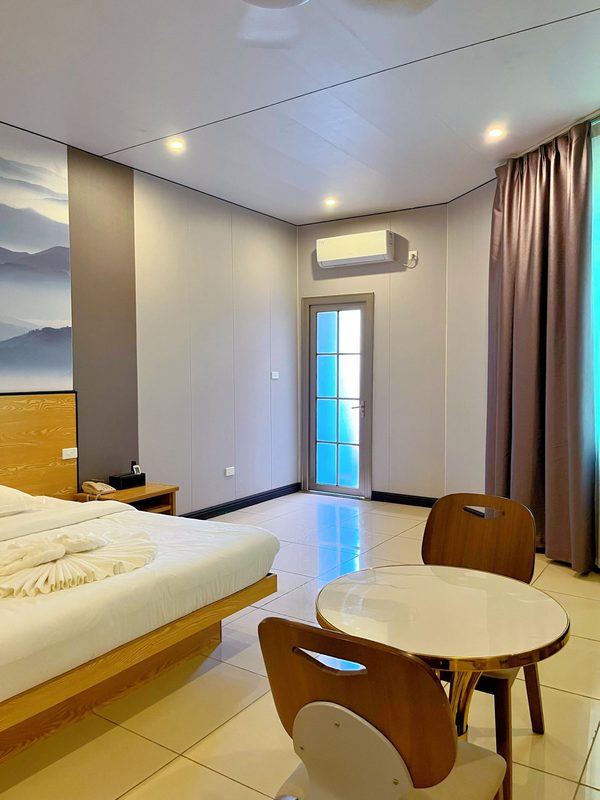
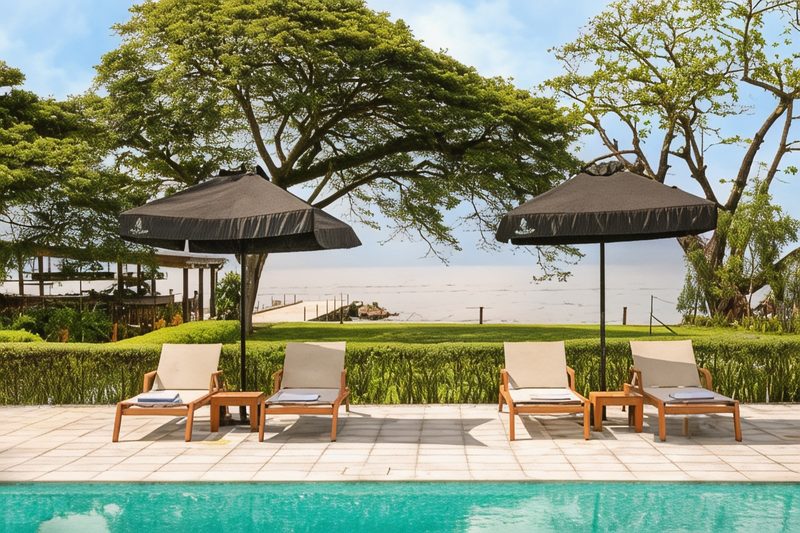
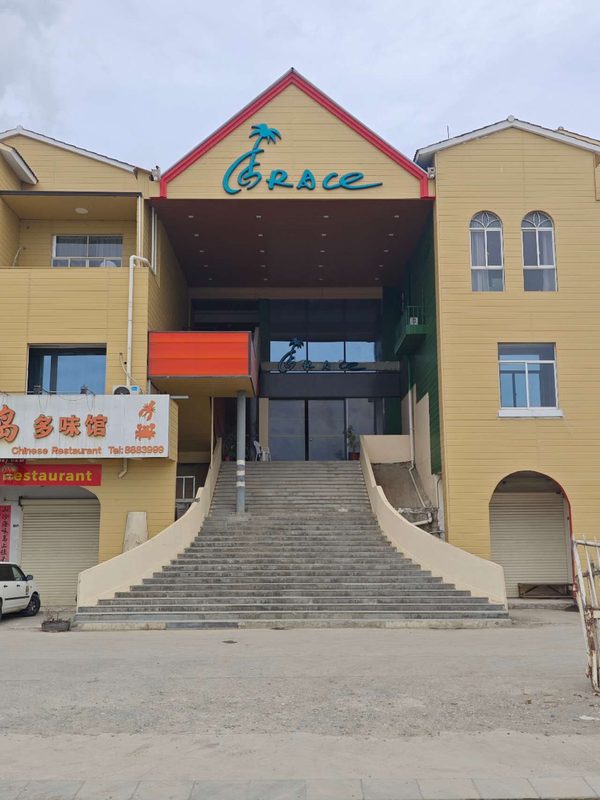
Where to Stay in Solomon Islands in January
Hand-picked hotels across price tiers for January travellers.
Public Holidays in January
Dates that affect opening hours, transport and crowds
New Year's Day
Observed nationwide as a public holiday.
New Year's Day
Observed nationwide as a public holiday.
Packing Checklist
Bookmark this page — your progress is saved between visits
Need the full list with shopping links?
Climate-specific gear, brand recommendations, and what to leave at home.
View Solomon Islands Packing List →Essential Tips
Insider knowledge and common pitfalls to avoid
Insider Knowledge
Solomon Airlines domestic flights are the lifeline between provinces. They operate small turboprops on visual flight rules. This means they cancel in bad weather without much notice. Never book a domestic connection on the same day as your international departure. Build at least a full buffer day in Honiara before flying home. The airline's booking system is basic. Confirm and reconfirm by phone the day before. Trust but verify.
Betel nut is everywhere. It's culturally significant. You'll see the red-stained smiles across every market and village. If offered some by a host, accept it even if you don't chew. It's a mild stimulant with a bitter, astringent taste. It will absolutely stain your teeth. Think of it as the social equivalent of accepting a cup of tea. Refusing can read as standoffish. When in Rome.
The Solomon Islands Dollar is the currency. Outside Honiara, cash is essentially the only option. ATMs exist in Honiara (BSP and ANZ branches near the Central Market) but they run out of cash, after holidays. Bring enough Australian or US dollars to change at the bank for your entire outer-island stay. There are no ATMs, no card readers, and no mobile payment systems once you leave Guadalcanal's north coast. Cash is king.
Wantok, the Pijin word for someone from your language group or extended network, is the operating system of Solomon Islands society. People will ask where you're from and who you know. This isn't nosiness. Placing you in a relational context is how trust works here. Learn a few phrases of Pijin. It's an English-lexicon creole and surprisingly intuitive: 'tenk yu tumas' for thank you very much, 'hao nao' for how are you. People will open up remarkably. The warmth is genuine. It's not transactional.
Avoid These Mistakes
Don't try to island-hop on a tight schedule in January. Inter-island boats and domestic flights cancel without warning during tropical weather systems. Travellers who've locked in back-to-back island bookings end up stranded, stressed, and paying for accommodation they can't reach. Build slack into every transition day. Accept that the islands will set the pace, not your itinerary. Slow down.
Don't underestimate malaria risk because the country 'feels safe'. Solomon Islands has one of the higher malaria transmission rates in the Pacific. January's standing water from heavy rains means mosquito populations peak. Travellers who skip antimalarials because they're 'only going for a week' or 'staying in Honiara' are gambling. Dusk and dawn are the high-risk windows. Long sleeves, repellent, and a treated bed net are non-negotiable in addition to medication. Protect yourself.
Don't assume Honiara standards apply to outer islands. Honiara has paved roads, a hospital, restaurants, and mobile coverage. Twenty minutes by plane in any direction and you're in a place where the guesthouse might have a generator that runs four hours a night, the 'restaurant' is whatever the family cooked, the water comes from a rainwater tank, and the nearest medical facility is a basic aid post staffed by a single nurse. This isn't a complaint. It's the reality. It requires self-sufficiency and realistic expectations. Adjust accordingly.
Ready to plan your trip to Solomon Islands?
Now that you've got the research covered, here's where to go next.
Explore More Activities in Solomon Islands
Didn't see anything interesting yet?
Browse Viator's full catalog of tours, day trips, food experiences, and private guides in Solomon Islands.
See All Solomon Islands Tours on Viator