Things to Do in Solomon Islands in November
November weather, activities, events & insider tips
Low Season · Budget Friendly
November Weather in Solomon Islands
Long-run averages for November in Honiara
87°F (30°C)
High Temp
72°F (22°C)
Low Temp
5.6 inches (142 mm)
Rainfall
79%
Humidity
14
Sunny-Day UV
⚠ Cyclone season starts November 1. Direct hit? Uncommon. Tropical lows form suddenly though. Little warning. Inter-island transport disrupts. Travelers strand on outer islands. Days pass. Monitor Fiji Meteorological Service outlooks. Check tropical cyclone updates. Verify your insurance. Cyclone disruption must be covered. Emergency evacuation too. Explicitly.
⚠ Malaria risk is present year-round but intensifies in November as wet-season conditions expand mosquito breeding habitat. Antimalarial prophylaxis, DEET-based repellent, and treated bed nets are strongly recommended for all travelers regardless of itinerary.
⚠ Afternoon thunderstorms with lightning become increasingly frequent through November, from mid-month onward. Avoid open water and exposed ridgelines between approximately 1 PM and 5 PM when storms are most likely to develop.
Is November Right for You?
Weigh the advantages and considerations before booking
Advantages
- + November sits in a sweet spot right before the heavy wet season arrives. Honiara's average rainfall of 5.6 inches (142 mm) is less than half of what March dumps, and humidity at 79% is tied for the lowest the Solomons see all year. You get tropical warmth without the oppressive steaminess of January or February, and mornings often break clear enough to see across Iron Bottom Sound to Savo Island's volcanic cone.
- + Dive visibility in the Western Province around Gizo and Munda tends to hold reasonably well through November, before December and January rains churn sediment into the lagoons. The wrecks in Iron Bottom Sound, some sitting in 20 metres (66 ft) of water just off Bonegi Beach, are still approachable, and you might share them with one other dive boat instead of three.
- + This is low season for the Solomons, which already receives a fraction of the visitors that Fiji or Vanuatu sees. Accommodation in Honiara and the Western Province is easier to come by, and you have real use to negotiate rates at guesthouses and eco-lodges. The handful of domestic flights between Honiara and Munda or Gizo are less likely to be fully booked, which matters more than you might think in a country where the next flight could be days away.
- + The transition into wet season triggers fruiting across the islands. November is when you start seeing rambutan, soursop, and pawpaw piled high at Honiara's Central Market, and the reef fish landings tend to be strong before the deeper monsoon swells push fishermen closer to shore. The food, frankly, is at one of its better moments.
Considerations
- − November 1 marks the official start of cyclone season in the South Pacific. Cyclones hitting the Solomons in November are uncommon compared to January through March. But the risk is nonzero and increases as the month progresses. Travel insurance with cyclone and evacuation coverage is not optional. Inter-island ferry services, already unpredictable, can be suspended at short notice if a tropical low forms.
- − Afternoon thunderstorms become a regular feature by mid-November. They tend to be sharp and intense rather than all-day affairs, typically 30 to 60 minutes of hard rain with enough lightning to keep you off the water. If your plans revolve around full-day boat trips to outer islands, expect at least a few days where the afternoon leg gets curtailed or rerouted.
- − The Solomon Islands' tourism infrastructure is thin even by Pacific standards. Outside Honiara and the Western Province hub towns of Gizo and Munda, you are looking at basic village guesthouses with limited electricity, no hot water, and meals arranged through your host rather than a restaurant. November's lower visitor numbers mean some smaller operations scale back or close entirely, and you may need to confirm availability weeks ahead rather than showing up.
Best Activities in November
Top things to do during your visit
WWII Battlefield and Wreck Exploration on Guadalcanal
Guadalcanal's war history is not a museum exhibit. It is rusting anti-aircraft guns half-swallowed by banyan roots at Bloody Ridge, Japanese transport ships whose hulls break the surface at Bonegi Beach close enough to wade to, and the eerie stillness of Iron Bottom Sound where dozens of warships from both sides lie on the seabed. November's relatively calm mornings and lower humidity make the overland sites more bearable than the January steam bath, and the battlefield trails along the Matanikau River, running through thick tropical forest where cicadas drone loud enough to muffle your footsteps, are less muddy than they will be by December. The Vilu War Museum, an open-air collection of Japanese and American hardware spread across a coconut plantation about 20 km (12.4 miles) west of Honiara, is the kind of place where you can put your hand on the propeller of a Wildcat fighter and feel the pitting from eighty years of salt air. Book guided battlefield tours at least a week ahead through licensed local operators, and allow a full day. The guides, many of them descendants of coastwatchers and scouts, tell stories that no placard could.
Booking Tip: Book guided tours seven to ten days ahead. Local operators run small groups, often just your party, and the best guides are in high demand even in low season. A full-day Guadalcanal battlefield circuit typically runs six to eight hours including transport. See current options in the booking section below.
Snorkeling and Reef Diving in the Western Province
Marovo Lagoon, the world's largest saltwater lagoon enclosed by a double barrier reef, is the reason serious divers come to the Solomons, and November's water temperatures hovering around 29°C (84°F) mean you are diving in a wetsuit only if you want sun protection. The coral variety here rivals anything in the Coral Triangle, and November visibility, while not the gin-clear 30 metres (98 ft) you might get in August, still tends to sit around 15 to 20 metres (49 to 66 ft) on most sites. What makes the Western Province special is the combination of reef and wreck: within a single day's diving from Munda, you can explore a reef wall teeming with barracuda schools and then drop onto a Japanese Zero fighter sitting upright on a sandy bottom at 15 metres (49 ft), its cockpit open to the water, soft corals growing from the instrument panel. The trick in November is to dive mornings. By early afternoon the clouds tend to build, and while rain on the surface does not ruin a dive, the boat ride back in a squall is no fun in an open aluminum dinghy. Operators based in Gizo and Munda know the seasonal patterns and will plan accordingly.
Booking Tip: Arrange diving at least two weeks ahead, for liveaboard trips to remoter reef systems. Confirm that operators carry emergency oxygen and have radio contact with Gizo's recompression facility. See current dive tour availability in the booking section below.
Honiara Central Market and Food Immersion
Honiara's Central Market is the beating heart of the capital and one of the great Pacific markets, a roofed concrete sprawl along the waterfront where the air is thick with the green-leaf smell of betel nut, the iodine tang of fresh-caught reef fish laid out on banana leaves, and the sweet charcoal smoke drifting from women grilling cassava and sweet potato on roadside drums just outside the main hall. November's fruiting season fills the produce stalls with pawpaw, golden soursop, and strings of Malaitan bush lime that perfume the aisle. The fish section is where you want to spend time: skipjack tuna, Spanish mackerel, and parrotfish arrive by the cooler-load from dawn, and the sellers will tell you exactly which reef they came from. The cooked-food vendors along the market's south side serve plates of fish in coconut cream over steamed root vegetables that are honest, filling, and the closest thing the Solomons has to a national dish. Go before 8 AM when the selection is fullest and the heat has not yet turned the market into a sweatbox. The betel nut sellers, with their neat pyramids of green nuts and coral lime powder wrapped in mustard leaf, are a cultural institution. You do not have to chew. But you should watch the technique.
Booking Tip: No booking needed for the market itself. It operates every day but is fullest on weekday mornings. For guided food and market walks with cultural context, arrange through Honiara-based cultural tour operators a few days ahead. Check the booking section below for current guided options.
Kastom Village Visits in Malaita and Guadalcanal
The Solomon Islands still has communities living by kastom, the Pijin word for customary law and traditional practice, in ways that are not performed for tourists but are the actual social fabric. On Malaita, the artificial islands of Langa Langa Lagoon, built from coral rock over generations, are home to communities that still use shell money as legitimate currency alongside the Solomon Islands dollar. The shell money workshops, where women chip, drill, and string tiny discs of shell into strands that can take weeks to complete, produce a sound like distant wind chimes that carries across the water. On Guadalcanal, villages within a half-day's travel from Honiara offer cultural visits where you sit on woven mats in a leaf house, drink green coconut water hacked open with a machete, and hear stories of ancestral shark callers and the war. November's lower visitor numbers mean these visits feel less like a tour stop and more like an actual invitation. The warmth is genuine but the etiquette matters: always arrange through a local guide who has a relationship with the community, bring a small gift (rice, tea, and tinned fish are standard), and ask before photographing anyone.
Booking Tip: Village visits require a local guide with established community relationships. Book through Honiara cultural operators at least a week ahead, and confirm what gifts or contributions are appropriate for the specific village. See current cultural tour options in the booking section below.
Waterfall Trekking Near Honiara
Guadalcanal's interior rises sharply from the coastal plain into mountains reaching over 2,000 metres (6,562 ft), and the rivers cutting down through that jungle feed waterfalls that are spectacular and almost entirely unvisited. Mataniko Falls, about 10 km (6.2 miles) from central Honiara, drops into a cave system where the mist hangs in the air and the roar of water echoes off limestone walls slick with moss. Tenaru Falls, a longer half-day trek through dense tropical forest where the canopy closes overhead and the trail crosses streams on slippery river stones, rewards you with a wide cascade into a swimming hole cold enough to make you gasp after the sweaty walk in. November's moderate rainfall keeps the falls flowing strongly without the dangerous flash-flood conditions that January and February rains can create. That said, check with your guide about recent rain upriver before any waterfall trek. The trails are not maintained or marked in any conventional sense, the footing is uneven root and mud, and the humidity under the canopy feels ten degrees hotter than the open coast. Start early, before 7 AM if possible, and carry at least 2 litres (half a gallon) of water per person.
Booking Tip: Always trek with a local guide who knows the river conditions. Arrange at least three to five days ahead through operators in Honiara. Solo trekking is inadvisable due to unmarked trails and river crossings. Check the booking section below for guided options.
Where to Stay in Solomon Islands in November
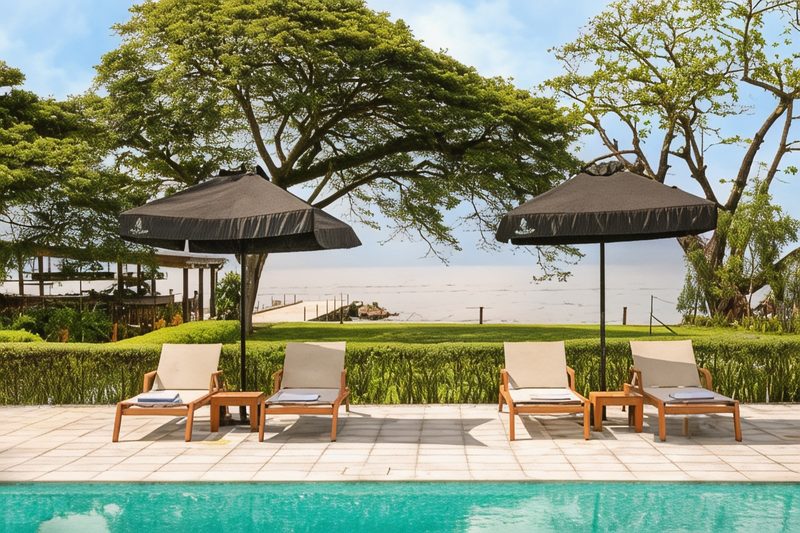
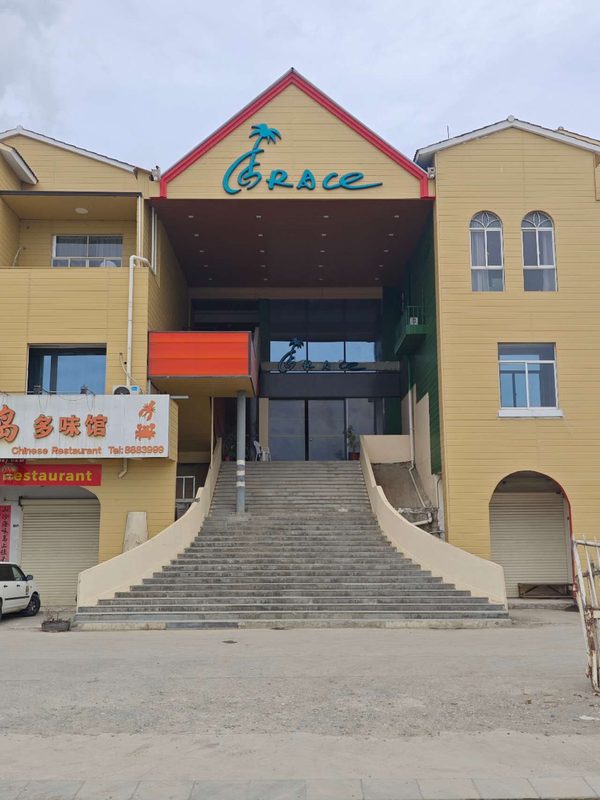
Hand-picked hotels across price tiers for November travellers.
Packing Checklist
Bookmark this page — your progress is saved between visits
Need the full list with shopping links?
Climate-specific gear, brand recommendations, and what to leave at home.
View Solomon Islands Packing List →Essential Tips
Insider knowledge and common pitfalls to avoid
Insider Knowledge
Solomon Airlines connects the islands. Domestic flights are your lifeline. Their schedule is aspirational at best. Honiara to Munda or Gizo? Expect delays. Cancellations happen. Rerouting too, without warning. Book early. Reconfirm 24 hours ahead. Never plan tight connections. Build one buffer day in Honiara. Minimum. Before your international departure.
Betel nut culture surrounds you. Understanding it helps. Red-stained teeth and lips appear everywhere. The cause: betel nut, lime powder, mustard leaf. It is offered socially. Like tea elsewhere. Decline politely if you wish. Never show disgust. Red spit stains mark sidewalks and walls. This is landscape, not filth.
Honiara has real safety concerns after dark. Guidebooks soft-pedal this. Opportunistic crime rises at night. Mugging included. Chinatown area, beware. Waterfront east of Point Cruz too. Take taxis after sunset. Avoid walking alone. Hide your valuables. Daylight brings a relaxed, friendly city. Stay alert anyway. As you would in any developing capital.
'Solomon time' is real. Not a joke. A genuine cultural orientation. Impatient travelers will suffer. Boats leave when full. Not on schedule. Meals arrive when ready. Guides appear when morning feels right. Fighting this ruins trips. Accepting it saves them., not performatively. This matters most. Bring a book. Learn Pijin greetings. Let the day develop.
Avoid These Mistakes
Avoid overreaching. Too many islands, too few days. The Solomons differ from the Maldives. No speedboat hops there. Twenty minutes between atolls? Forget it. Honiara to Western Province needs a domestic flight. Or a long, rough boat ride. Gizo to remote dive sites? Another boat. Every transfer consumes half a day. Factor in Solomon time. Weather delays too. Plan two to three islands maximum. Two weeks allows this. Three nights per location. Minimum.
Never assume. Credit cards fail outside Honiara. ATMs vanish too. The economy runs on cash. Full stop. Even in Honiara, card acceptance is thin. Hotels and larger shops only. Outer islands demand cash exclusively. Nowhere to withdraw exists. Pull enough Solomon Islands dollars before leaving Honiara. Cover your entire rural stay. Add 30% contingency. At least.
Take antimalarials. The risk is concrete. Malaria is endemic throughout. All elevations included. Plasmodium falciparum dominates. The dangerous kind. November brings warm, wet conditions. Ideal mosquito breeding. This risk is real. Consult travel medicine early. Start antimalarials on schedule. Use repellent. Sleep under bed nets. Even in Honiara. No excuses.
Ready to plan your trip to Solomon Islands?
Now that you've got the research covered, here's where to go next.
Explore More Activities in Solomon Islands
Didn't see anything interesting yet?
Browse Viator's full catalog of tours, day trips, food experiences, and private guides in Solomon Islands.
See All Solomon Islands Tours on Viator